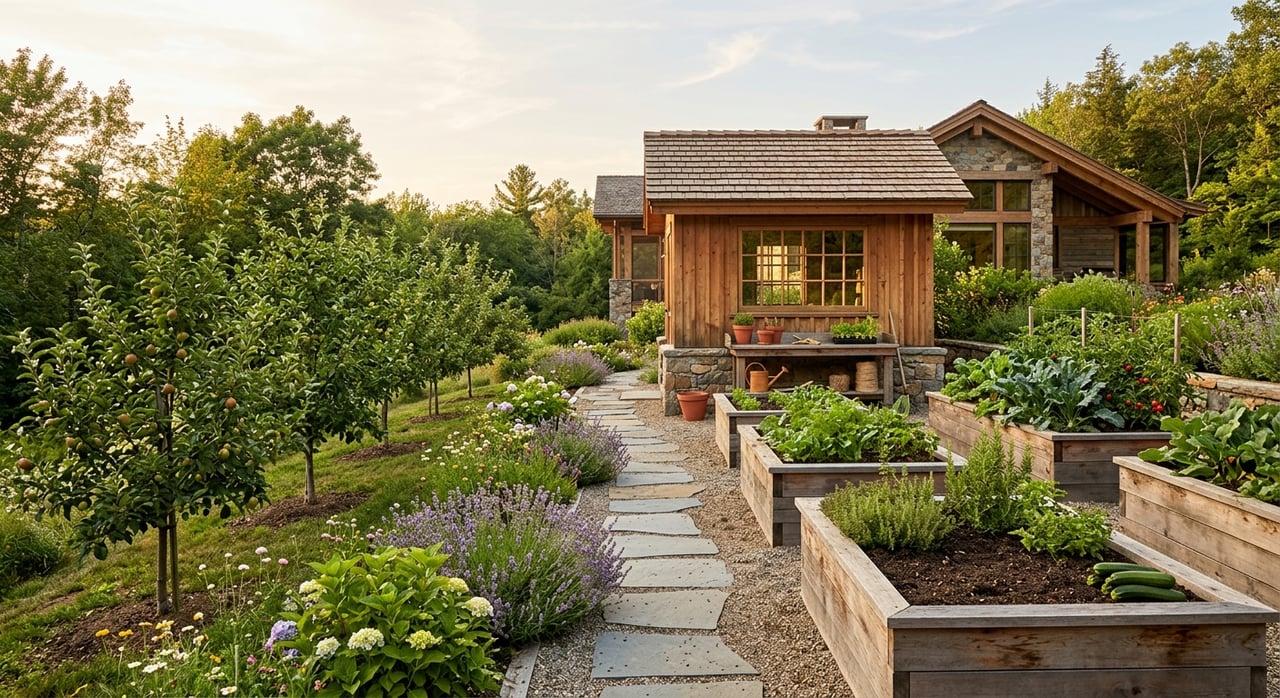
Looking for a little more space, a little more freedom, and a property that can do more than just hold a house? In Penryn, that idea is not just a dream for many buyers. It lines up with how Placer County already describes the area. If you are curious about gardens, chickens, orchard rows, a workshop, or simply room to spread out, this guide will help you understand where hobby-farm potential shows up in Penryn and what to evaluate before you buy. Let’s dive in.
Why Penryn Feels Hobby-Farm Friendly
Penryn has a long-standing rural identity that still shapes how the area looks and functions today. Placer County describes the broader Horseshoe Bar/Penryn area as scenic, tranquil, and rural-residential, with local roads framed by visible horses, livestock, small orchards, and vineyards.
That matters because it means hobby-farm living is not out of place here. In the right part of Penryn, it can feel like a natural extension of the land rather than a niche use. The area’s local history, including its ties to granite and Gold Rush-era development, also reinforces that hands-on, land-oriented character.
Where Hobby-Farm Potential Is Strongest
Not every property in Penryn will offer the same setup. The strongest hobby-farm potential is typically found in the rural-residential portions of the community rather than the more commercial or mixed-use areas near Penryn Parkway and downtown Penryn.
In practical terms, this is usually an acreage conversation. County records tied to a 2025 Penryn land-use case reference nearby designations such as Rural Residential 2.3 to 4.6 acres and Rural Estate 4.6 to 20 acres, along with surrounding zoning patterns that support rural residential use, pasture, equestrian facilities, and open space.
That does not mean every larger parcel is automatically hobby-farm ready. It does mean the local planning framework already supports the kind of property-centric lifestyle many buyers are looking for in Penryn.
Lot Size Matters More Than Zip Code
If you are exploring hobby-farm potential, parcel size is one of the first things to review. Penryn is not a one-size-fits-all market, and the difference between a smaller residential lot and a larger rural parcel can be significant.
Placer County’s residential-agricultural zoning is intended to protect rural residential character and allow agricultural uses. Within that framework, uses can include crop production, agricultural accessory structures, equestrian facilities, and grazing.
That is why two homes with the same Penryn address can offer very different possibilities. One may work well for raised beds and a small coop, while another may support a greenhouse, workshop, tack room, or pasture area.
What a Penryn Property Might Support
The appeal of a hobby-farm property often goes beyond animals or gardens. Many buyers also want practical space for projects, storage, equipment, or flexible outdoor living.
Placer County’s accessory-use rules specifically include structures such as workshops, studios, greenhouses, garages, and guesthouses. On parcels 4.6 acres or larger, cumulative residential accessory structures do not have a floor-area cap, which helps explain why some larger Penryn properties feel especially adaptable.
Depending on zoning and parcel size, a property may plausibly support uses such as:
- Vegetable gardens
- Small orchards
- Chicken coops
- Greenhouses
- Workshops or studios
- Tack rooms
- Equestrian-related improvements
The key word is may. These possibilities depend on the parcel’s exact zoning, size, and site conditions. They are not blanket rights for every property.
Are Chickens Realistic in Penryn?
Yes, chickens are part of the conversation in Penryn. Placer County’s animal-keeping code clearly contemplates hens, and the county applies different standards based on zone and parcel size.
In other words, chickens may be possible even on some smaller residential parcels, while larger rural parcels tend to offer more flexibility. If keeping hens is high on your list, you will want to confirm the property’s zoning early rather than assume all acreage is treated the same.
What About Horses or Larger Animals?
For buyers thinking beyond chickens, Penryn can also be appealing because surrounding county land-use records reference equestrian facilities, pasture, and open-space uses in the area. Placer County zoning in residential-agricultural settings also includes equestrian facilities and grazing as allowable uses.
Still, larger animals raise the stakes on due diligence. You will want to look at parcel size, layout, access, fencing needs, nearby improvements, and the exact zoning standards that apply to that address.
Septic Can Shape the Property’s Future
One of the most important details on a rural or semi-rural property is often underground. If public sewer is not available, Placer County Environmental Health says a septic system is required for on-site sewage disposal.
That matters for more than daily function. Septic siting can affect future additions such as outbuildings or second driveways, which means a property that looks wide open may still have layout limitations.
If you are imagining a barn, workshop, greenhouse, guesthouse, or expanded access, septic location should be part of your review from the start. This is one of the biggest reasons acreage buyers benefit from a property-specific approach instead of a surface-level one.
Defensible Space Is Part of the Lifestyle
A hobby-farm property can be rewarding, but it also comes with ongoing land management. In Placer County, wildfire planning is a real part of ownership.
The county requires 100 feet of defensible space around improvements, and CAL FIRE states that 100 feet of defensible space is required by law. For buyers drawn to orchards, paddocks, gardens, and natural landscape, this is an important reminder that beauty and upkeep go together.
This does not make Penryn less appealing. It simply means the lifestyle works best when you are prepared for the maintenance side as well as the fun side.
How to Evaluate Hobby-Farm Potential
If you are seriously considering a Penryn property, it helps to think like a strategist before you think like a dreamer. The goal is to match your plans to the parcel, not just the listing photos.
Start with a short checklist:
- Confirm the exact zoning and land-use designation
- Review parcel size and usable layout
- Identify whether the property is in a rural-residential area or closer to mixed-use Penryn Parkway zones
- Check for public sewer or septic
- Understand where septic components sit on the site
- Evaluate space for accessory structures or agricultural use
- Plan for 100 feet of defensible space around improvements
This process can save you time, money, and frustration. It also helps you avoid falling in love with a property that cannot comfortably support the way you want to live.
Why Local Guidance Matters in Penryn
Penryn hobby-farm potential is highly property-specific. A listing might mention acreage, but acreage alone does not tell you how the parcel functions, what it may support, or what constraints could shape your plans.
That is where local guidance becomes valuable. When you are weighing zoning, land use, site layout, and long-term flexibility, you need more than broad advice. You need a clear read on how a specific property fits your goals.
For buyers exploring acreage and lifestyle properties in Penryn, the right strategy is equal parts vision and verification. If you want help evaluating whether a property truly fits your plans, connect with The Gray Group for thoughtful, local guidance.
FAQs
How large should a Penryn property be for hobby-farm use?
- In Penryn, hobby-farm potential is usually strongest on larger rural-residential parcels, with county references in the area including Rural Residential 2.3 to 4.6 acres and Rural Estate 4.6 to 20 acres, though the right size depends on your intended use and the parcel’s zoning.
Are chickens allowed on Penryn properties?
- Placer County’s code contemplates hens, but the exact allowance depends on the property’s zone and parcel size, so you should confirm the rules for the specific address.
Can a Penryn property support horses?
- Some Penryn-area zoning and surrounding land-use patterns support equestrian facilities, pasture, and grazing, but whether horses are realistic depends on the parcel’s size, layout, and exact zoning.
Do Penryn hobby-farm properties usually have septic?
- If public sewer is not available, Placer County requires a septic system for on-site sewage disposal, which is why septic review is an important step when buying rural property.
Why does septic matter for future improvements in Penryn?
- Septic layout can affect where you place additions like outbuildings or second driveways, so it can directly influence how much flexibility a property offers.
How much defensible space is required for a Penryn property?
- Placer County requires 100 feet of defensible space around improvements, making ongoing vegetation management an important part of ownership on rural and acreage properties.